
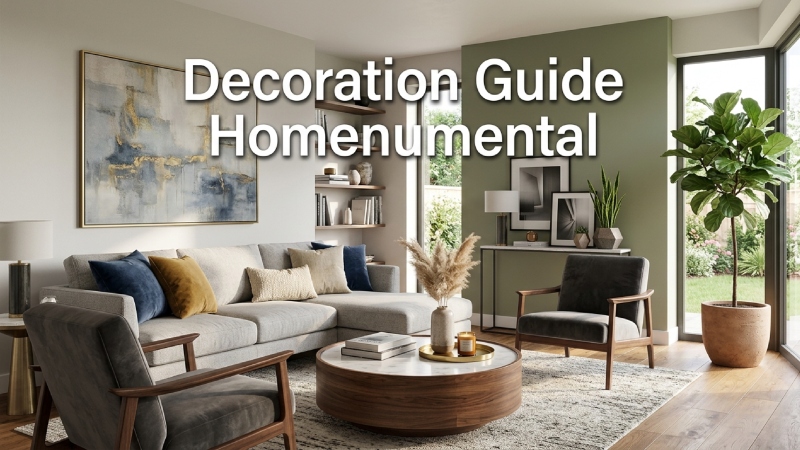
Your home is more than walls, windows, and furniture. It is the one place on earth that should feel entirely, unmistakably yours. Yet most people decorate their homes the way they assemble flat-pack furniture — quickly, without a plan, and with a nagging feeling that something doesn’t quite fit. This Homenumental decoration guide changes that. Whether you are styling a brand-new apartment or breathing life back into a house you have lived in for years, this guide walks you through every decision that matters, from color psychology to lighting layers, so your space doesn’t just look good — it feels monumental.
What Does “Homenumental” Decoration Really Mean?
Homenumental decoration is a philosophy before it is a style. The word itself blends “home” with “monumental,” and that is exactly the idea: decorating your home so it carries weight, presence, and personality. It is not about filling rooms with expensive things. It is about making deliberate choices so that every corner of your home tells a story about who you are.
Unlike trend-chasing décor that expires every season, the Homenumental approach focuses on timeless foundations layered with personal character. Think of it as building a monument to your own life — one room at a time.
Start With a Vision, Not a Shopping Cart
The single biggest decorating mistake people make is buying first and thinking later. Before you spend a single dollar, sit in each room and ask yourself three questions. What do I want to feel when I walk in here? What activities actually happen in this space? And what do I already own that deserves to stay?
Write your answers down. This becomes your vision document, and it will save you from impulse purchases, clashing styles, and the dreaded “why did I buy this?” regret. Professional interior designers never skip this step, and neither should you.
Master the Power of Color Psychology
Color is the fastest way to change how a room feels, and it costs far less than new furniture. The Homenumental Decoration Guide method uses a simple 60-30-10 rule that designers have relied on for decades. Sixty percent of your room should be a dominant, calming base color — usually your walls and large furniture. Thirty percent goes to a secondary tone found in curtains, rugs, and accent chairs. The final ten percent is your bold personality color, expressed through cushions, artwork, vases, and small décor pieces.
Warm neutrals like beige, cream, and soft taupe create calm and openness. Deep greens and navy blues add sophistication and depth. Terracotta and mustard tones bring warmth and energy. The key is restraint: a monumental room whispers confidently; it never shouts.
Furniture: Buy Less, Choose Better
A monumental home is not a crowded home. One of the strongest principles in this decoration guide is the idea of intentional emptiness. Every piece of furniture should have a clear purpose and feel like it belongs in the space. Ask whether it serves a function, sparks joy, or ideally both.
Invest in anchor pieces first — a quality sofa, a solid dining table, a comfortable bed. These are the foundations of your home’s story, and they are worth spending more on because you will use them every single day for years. Then fill in with affordable accent pieces, thrifted finds, and personal treasures. Mixing high and low is not a compromise; it is a signature of sophisticated taste.
The Homenumental Room-by-Room Quick Reference
| Room | Focal Point | Best Color Approach | One High-Impact Upgrade | Common Mistake to Avoid |
| Living Room | Statement sofa or artwork | Warm neutrals + one bold accent | Layered lighting (floor + table lamps) | Pushing all furniture against walls |
| Bedroom | The bed and headboard | Soft, muted tones for rest | Quality bedding and blackout curtains | Overhead lighting only |
| Kitchen | Backsplash or island | Clean whites with natural wood | Open shelving with styled displays | Cluttered countertops |
| Bathroom | Vanity and mirror | Spa-like whites and greens | Upgraded fixtures and plush towels | Ignoring storage solutions |
| Home Office | Desk placement facing light | Focus-friendly blues and greens | Ergonomic chair with character | Poor lighting causing eye strain |
Use this table as your starting blueprint, then adapt each room to your own lifestyle and taste.
Lighting: The Secret Weapon of Every Beautiful Home
If color sets the mood, lighting directs it. Most homes rely on a single harsh overhead light per room, which flattens everything and makes even beautiful décor look lifeless. The Homenumental Decoration Guide approach layers three types of lighting in every important space. Click here ONB Meaning for more details.
Ambient lighting provides overall illumination — your ceiling fixtures and recessed lights. Task lighting serves specific activities, like a reading lamp by your favorite chair or under-cabinet lights in the kitchen. Accent lighting adds drama: picture lights over artwork, LED strips behind shelves, or candles on a mantel. When all three layers work together, a room gains depth, warmth, and that unmistakable premium atmosphere you see in design magazines.
Walls, Art, and the Stories They Tell
Bare walls make a home feel temporary, like a hotel room you are just passing through. But walls decorated with intention turn a house into a monument of your life. Large-scale art makes small rooms feel grander. Gallery walls work beautifully when you mix frame sizes but keep a consistent color palette. Mirrors strategically placed opposite windows double your natural light and visually expand any space.
Most importantly, choose art that means something to you. A framed map of the city where you grew up will always outshine a generic canvas print, no matter how trendy it is.
Texture, Plants, and the Finishing Touches
The difference between a nice room and a breathtaking one almost always comes down to texture and life. Layer soft against hard: a chunky knit throw over a leather sofa, linen curtains against smooth painted walls, a woven jute rug under a glass coffee table. These contrasts make a space feel rich and touchable.
Then add plants — real ones whenever possible. A tall fiddle-leaf fig in a corner, trailing pothos on a shelf, or a simple vase of fresh greenery on the table instantly makes a room feel alive, cared for, and complete. If your thumbs are anything but green, high-quality faux plants have come a long way and require nothing but occasional dusting.
Common Decorating Mistakes That Undermine Everything
Even with the best intentions, a few classic mistakes can flatten your hard work. Decorating everything at the same height creates a flat, boring sightline — vary heights with floor lamps, tall plants, and stacked books. Choosing rugs that are too small makes rooms feel disconnected; your front furniture legs should always sit on the rug. Following trends blindly strips your home of personality. And perhaps the biggest mistake of all: rushing. A monumental home is built slowly, layer by layer, decision by decision.
Frequently Asked Questions (FAQs)
What is a Homenumental decoration style?
Homenumental Decoration Guide is an approach that treats your home as a personal monument — a space built with deliberate, meaningful choices rather than passing trends. It combines timeless design foundations with deeply personal touches.
What are some affordable ways to decorate my home without spending too much?
Start with paint, which offers the biggest transformation for the least money. Shop secondhand for solid wood furniture, rearrange what you already own, and invest in affordable textiles like cushions and throws. A clear vision prevents wasteful impulse buys.
What color choices can help make a small room appear more spacious?
Light, cool-toned colors such as soft white, pale gray, and gentle blue reflect light and make walls recede visually. Pair them with mirrors and good lighting for maximum effect.
How many décor styles can I mix in one home?
Two, occasionally three, if they share a common thread like a color palette or material. Mixing styles confidently creates character; mixing them randomly creates chaos.
How often should I update my home décor?
Your foundations — furniture, wall colors, layout — should last years. Refresh small accents like cushions, art, and plants seasonally or whenever your tastes evolve.
What is the first room I should decorate?
The space where you spend most of your time while awake, typically the living room. Early wins build momentum and confidence for the rest of the home.
Final Thoughts: Your Home, Your Monument
Great decoration is never about perfection — it is about intention. When you choose colors with purpose, buy furniture with patience, light your rooms in layers, and fill your walls with meaning, your home stops being a place you simply live in. It becomes a place that represents you.
Start with one room. Apply the principles in this Homenumental decoration guide one decision at a time. Before long, you will walk through your front door and feel something rare: the quiet pride of a home that is truly, monumentally yours. Visit blogblueflamepublishingfor more details.