
Homeowners are becoming less interested in making every room look newly renovated. Attention is shifting to the parts of the house that cause trouble in ordinary life. A bedroom that never warms up. A dining table taken over by work. A garden ignored once summer ends. By 2026, homeowners are starting with the jobs they have complained about, worked around and postponed for years.
Why Home Improvement Trends Matter for Modern Homeowners in 2026
All things have changed, your everyday routines have changed compared to the previous times before this year. A dining room may now handle homework, remote work and family meals.
That pressure shifts priorities towards storage, energy use, flexible layouts and maintenance.
The signs are usually ordinary. A dark landing. A kitchen with nowhere to put shopping bags. A bathroom that feels cold at six in the morning. Furthermore, the irritating issues are a wake up call for such relevant cases.
Trend 1: Open Plan Living and Multi-Functional Spaces
First off, if you think about your open plan living, it still suits many home. However, even if it’s involving completely open rooms it can become tiring. Cooking noise travels. Video calls compete with television. One person clearing plates can interrupt someone else trying to finish work.
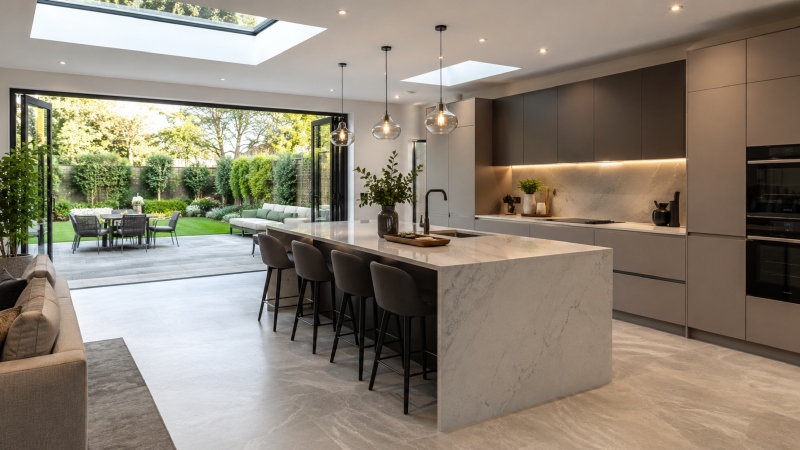
Many projects now keep the open feel while giving each activity a place. A glazed screen can soften noise around a desk. Built-in shelves can divide a sitting area without blocking daylight. A pocket door can hide a messy kitchen before guests arrive.
Furniture is doing more work too. Window seats hide storage. Dining benches hold school bags. On the whole, your foldaway desks disappear at the end of the day.
Trend 2: Smart Home Technology and Automation
Smart technology is moving away from novelty. Most households do not need ten apps or a wall panel nobody understands. They need heating that follows the family routine, lights that switch off in empty rooms and a doorbell that can be checked from elsewhere.
The upgrades people keep using are often fairly basic:
- Heating zones adjusted room by room
- Leak sensors near sinks and boilers
- Lighting controls for halls and entrances
- Security alerts viewed remotely
Manual controls still matter. A light should work when the internet drops. Heating should not become useless because one phone has run out of charge.
Trend 3: Sustainable and Eco-Friendly Home Improvements
When you are focused on the matter of sustainable work, it often gets to start off with jobs that are easy to ignore. Loft insulation, sealed gaps, better glazing and sensible heating controls may not look exciting. They can still change how a home feels through winter.
Sequence makes a difference. A new heating system can disappoint if warm air continues escaping through the roof or old window frames. Heat loss should be checked before expensive equipment is chosen.
Materials deserve the same attention. A repairable cabinet may outlast one that needs replacing after a small chip. Reclaimed timber can bring character without looking staged. Durable flooring can also spare the household another replacement a few years later.
However, Skylights can make a gloomy part of the house feel usable again. Remember to understand the ways it works for the households in the long run.
Trend 4: Biophilic Design — Bringing Nature Into the Home
The typical sort of Biophilic design you witnesses sounds more formal than it seems, if you are thinking about the practice taking place. In fact, it simply means creating a stronger connection with daylight, planting, natural texture and outdoor views.
A chair beside a garden window can change how a corner is used. Timber, stone and linen can make a room feel calmer. Plants help too, provided they suit the light and the care someone can realistically give them.
However, there is the case of going beyond the ideal requirements. For you see, if you are involving too much light can cause its own problems. A bright room may still feel uncomfortable if glare lands on a television or afternoon sun fades a sofa. Hence, your blinds, along with other factors like the furniture position and glazing need to be planned together.
Trend 5: Luxury Bathroom and Kitchen Upgrades
First off, if you are concerned about the aesthetic appeal and charm of luxury, you will be spellbound as it shows up in quieter ways. For one thing, a kitchen feels better when drawers open properly, hinges do not slam and the worktop survives a hot pan without fuss. The appliance bought for special occasions may sit untouched for months.
In a bathroom, warm light, good airflow and somewhere sensible to keep towels often matter far more once the fresh finish has worn in
A costly room can still be awkward. A kitchen may have beautiful cabinets yet frustrate if the fridge blocks the walkway. A bathroom can look polished while leaving nowhere sensible for towels.
Plumbing access, extractor performance, task lighting and easy cleaning rarely attract compliments. They are usually what keeps the room working.
Trend 6: Bold Accent Walls and Statement Interior Features
Stronger colour is returning after years of pale walls. A dark chimney breast, patterned tile or timber panel can give a room some weight without forcing a full redesign.
Now, a single bold feature is often plenty. Several strong ideas can start competing. Existing architecture should guide the choice. An old fireplace may suit a deeper colour. A plain hallway may benefit from painted joinery or one oversized light.
Think about things like the framed photographs, inherited furniture and original art. For you see, these all bring individuality to the room.
Trend 7: Outdoor Living Spaces and Garden Transformations

Now, there is the case of how gardens are being treated as working parts of the home. Covered seating, useful lighting and a dry route from the back door can make an outdoor area usable beyond a few warm weekends.
Small spaces benefit from clear roles. A bench can catch the morning sun. A narrow table can handle meals without taking over the garden. Planting can soften boundaries while leaving room for movement.
A few plain details often decide whether the space gets used:
- Drainage that prevents standing water
- Non-slip paving near doors and steps
- Storage for cushions and tools
- Planting meant naturally for the soil and light
How to Prioritise Home Improvement Projects on a Budget
A sensible budget starts with work that protects the property. Leaks, damp, unsafe wiring and failing plumbing should come before new finishes. Covering a defect usually makes the later repair more expensive.
Once urgent work is covered, each project can be judged by daily impact. A cold bedroom may deserve attention before a spare room makeover. Better storage may solve more problems than replacing a sound floor.
Jobs that overlap are worth grouping. Wiring changes are easier before plastering. Insulation can be added while a floor or roof is open. Older properties rarely reveal every problem at the start. Older homes often keep a few surprises hidden until work begins. Work on an older home often uncovers something nobody budgeted for, such as soft timber, tired wiring or pipework hidden behind a wall. When you are keeping the cash, it’ll help as an ideal backup for such surprises.
Which Home Improvements Add the Most Value to Your Property?
If by any chance there is extra usable space can make a home more appealing to buyer but you also must keep in mind that the local market still decides how much value it adds. A loft room, an additional bathroom or better storage may solve an obvious limitation. Energy improvements, a tidy entrance and a practical kitchen can also influence a viewing.
Overspending remains possible. A costly kitchen may not return its full price where nearby sale values are tightly capped. Recent local sales give a better guide than a national average.
Value often comes from fixing the part buyers notice first. A dark kitchen, awkward layout or neglected exterior can hold a property back. Addressing that problem may matter more than choosing premium finishes throughout.
Conclusion
If you are concerned about the changes that hold up well, they are often overlooked. In fact, nobody has to think about once they are finished. For instance, it can revolve around the fact that the room stops feeling cramped, the heating holds for longer and the garden becomes somewhere people actually sit after work. A good plan simply makes the home easier to live in. Visit blogblueflamepublishing for more details.