
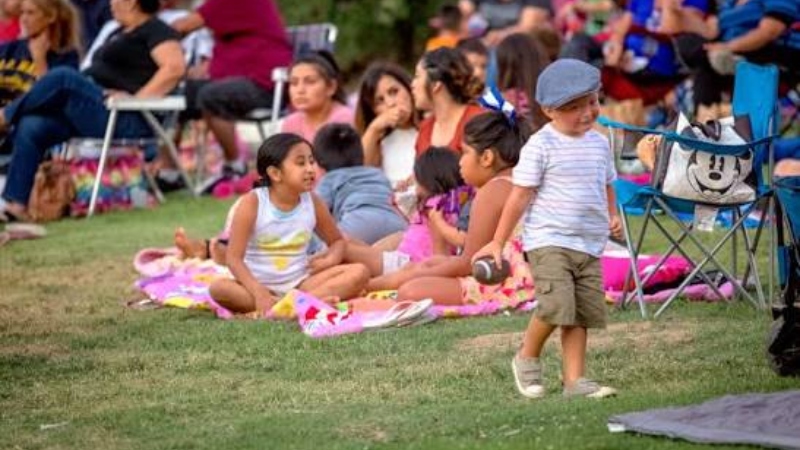
Community celebrations in parks and recreation areas bring people together in spaces that are often not built for large crowds. A local festival, concert, holiday celebration, school fundraiser, outdoor movie night, cultural gathering, food event, or neighborhood fair can quickly place heavy demand on restrooms, walkways, parking areas, and public facilities. Even when a park has permanent restrooms, those facilities may not be close enough, large enough, or distributed well enough to serve the entire event.
Portable sanitation planning helps event organizers protect guest comfort while keeping the park layout functional. Restrooms should be easy to find, placed near activity zones, accessible to service crews, and positioned in a way that supports crowd movement instead of creating bottlenecks. When the plan is handled early, sanitation becomes part of the event experience rather than a problem guests notice.
Start With the Event Layout
Before choosing restroom locations, planners should review how the event will use the park. A community celebration may have a main stage, food vendors, craft booths, games, registration tents, sports fields, picnic shelters, playgrounds, walking paths, parking areas, and sponsor displays spread across the property.
Restroom placement should match that layout. A single cluster near the parking lot may not serve guests near a distant field or pavilion. A cluster too close to the main stage may create lines that interfere with seating, sound equipment, or pedestrian flow.
Mapping the event first helps planners understand where people will gather, where they will move, and where portable units will be most useful.
Consider Permanent Restroom Limits
Many parks have restrooms, but permanent facilities are not always enough for a special event. They may be located near one pavilion, closed seasonally, too small for attendance, or unable to handle steady use for several hours.
Even when permanent restrooms are available, portable restrooms can reduce lines and spread demand across the event area. This can be especially important when older park restrooms have limited stalls, limited accessibility, or long walking distances from key activity zones.
Organizers should treat permanent facilities as part of the plan, not the entire plan. Portable sanitation can fill the gaps created by crowd size, event layout, and distance.
Place Units Near Major Activity Zones
Guests are most likely to need restrooms near areas where they spend the most time. Food courts, beverage stations, seating areas, stages, playgrounds, registration tables, and picnic zones usually create steady demand.
Many planners arrange porta john rental early so restroom placement can be coordinated with vendor layouts, entertainment zones, and crowd flow. This prevents sanitation from being added only after tents, booths, and activities have already taken the most convenient spaces.
Restrooms should be close enough to be convenient but not so close that odors, lines, or service activity interfere with food, seating, or performances.
Keep Walkways and Gathering Areas Clear
Parks often rely on shared paths, sidewalks, grass routes, and temporary lanes to move people around the event. Poor restroom placement can create crowding if lines spill into these paths.
Units should be placed with enough open space for guests to wait without blocking traffic. If the event is expected to draw families, strollers, wheelchairs, or older guests, the queue area should be easy to navigate and separate from high-traffic intersections.
A good layout keeps restrooms visible and accessible while preserving the natural movement of the event. Guests should not have to cross crowded performance areas or vendor lines just to reach facilities.
Include Accessible Options
Accessibility should be planned from the beginning, not added after the rest of the layout is complete. Community celebrations serve a wide range of guests, including people using wheelchairs, walkers, strollers, or mobility aids.
Accessible units should be placed along practical routes, not hidden at the edge of the park. They should be near major activity zones, accessible parking connections, seating areas, and main paths whenever possible.
Ground conditions matter as well. Grass, gravel, slopes, mud, and uneven surfaces can make restroom access difficult. Planners should evaluate whether temporary mats, lighting, signage, or route adjustments are needed to make access more realistic for guests.
Support Families and Longer Visits
Community events often attract families who stay for several hours. Parents may bring young children, picnic supplies, wagons, strollers, and sports gear. Longer visits usually increase restroom demand, especially around meals, performances, and children’s activities.
Restroom clusters near playgrounds, family activity areas, and food zones can make the event easier for parents to manage. Handwashing or sanitation stations may also be useful, especially near food vendors and children’s areas.
A family-friendly sanitation plan reduces unnecessary walking and helps guests stay engaged in the celebration instead of leaving early because basic needs are inconvenient.
Plan for Vendor and Staff Needs
Event staff, volunteers, security teams, performers, maintenance workers, and vendors also need restroom access. If they rely only on guest-facing units, they may have to leave their posts or wait in public lines during busy periods.
Planners should consider separate or conveniently placed units for staff and vendor areas. These do not always need to be hidden far away, but they should support the people working the event.
Staff restrooms are especially important for longer celebrations, events with setup and teardown periods, or festivals where vendors remain on-site for the entire day.
Maintain Service Vehicle Access
Portable restrooms need to be placed where service crews can reach them. A location may seem perfect for guests, but if it is blocked by vendor tents, parked cars, barricades, picnic tables, or dense crowds, maintenance can become difficult.
Service access should be planned before the event map is finalized. Units should be reachable by service vehicles without crossing packed guest areas or disrupting performances and activities.
For multi-day events, service access becomes even more important. Restrooms may need to be cleaned, restocked, or adjusted between event days, and the service route should remain available throughout the celebration.
Think About Timing and Peak Use
Restroom demand changes throughout a community event. Lines may be light during setup and early arrivals, then increase around meal times, intermissions, children’s programming, evening concerts, fireworks, or closing periods.
Event planners should think through the schedule and identify peak-use windows. If the event includes a parade, concert, fireworks show, or closing ceremony, restrooms near that area may see heavier demand right before and after the main attraction.
Planning for peak use helps prevent long lines from forming at the exact moments when guest movement is already high.
Use Signage and Visibility
Guests should not have to search for restrooms in a park setting. Trees, tents, hills, sports fields, and winding paths can make facilities hard to spot even when they are nearby.
Clear signage helps guests find the closest restroom cluster and reduces unnecessary walking. Signs should be placed near entrances, main paths, vendor rows, seating areas, and major activity zones.
If the event has a printed map, website, or mobile event page, restroom locations should be included there as well. Consistent information helps guests spread out instead of crowding only the first restroom area they see.
Protect Park Grounds
Parks and recreation areas often include grass, landscaping, irrigation, trees, trails, playground surfaces, and athletic fields that need protection during events. Portable restrooms should be placed where they will not damage sensitive areas or interfere with normal park features.
Stable, level ground is best. Low spots, muddy areas, steep slopes, or soft turf can create access and maintenance problems. Planners should also avoid placing units where service vehicles might rut fields or damage landscaped areas.
A thoughtful sanitation layout respects both the event and the public space hosting it.
Prepare for Weather Conditions
Outdoor celebrations are exposed to weather. Rain can create mud around restroom areas, while heat can increase demand for hydration and restroom access. Wind can affect signs, barriers, and temporary layouts.
Planners should consider drainage, shade, lighting, and ground stability when choosing restroom locations. If the event continues after dark, restroom paths should be well lit enough for guests to move safely.
Weather planning can make the difference between restroom areas that remain usable and areas that become uncomfortable or difficult to maintain.
Portable sanitation is an important part of planning community celebrations in parks and recreation areas. Restroom placement affects guest comfort, crowd movement, accessibility, vendor operations, park protection, and event safety.
By reviewing the site layout, supplementing permanent facilities, placing units near major activity zones, maintaining service access, and planning for families, staff, weather, and peak-use times, event planners can create a more comfortable experience for everyone. A well-organized restroom plan helps the celebration feel welcoming, practical, and easy to enjoy from arrival through the final activity. For more details, Click here